
How are we tackling the situation and why is it not working?
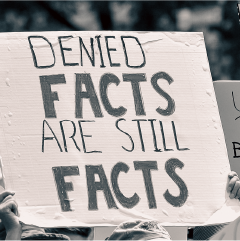

Flat earth theory and other conspiracy theories are often described as wicked problems due to their complexity and difficulty in solving them.
Flat earth theory and other conspiracy theories are often described as wicked problems due to their complexity and difficulty in solving them.
Pre-emptive strike targets the source of information by limiting its audience size such as censoring conspiracy content. YouTube, which was once the main platform promoting flat earth content to its audience, has since adjusted its algorithm to “reduce recommendations on borderline content and content that could misinform users in harmful ways”.
Well-known conspiracy theorists have been removed from major social media platforms such as X (formerly known as Twitter), Facebook, and Instagram. Journalists could avoid covering disinformation and conspiracy pieces to reduce exposure to the topic.
However, this intervention is seen as controversial as it poses a threat to freedom of speech and presents these platforms as manipulative. As the conspiracy theory can still be found on less popular platforms, prolific conspiracy theorists could accuse “mainstream media” of “hiding the truth”, allowing them to gain stronger and more extreme support from the community.
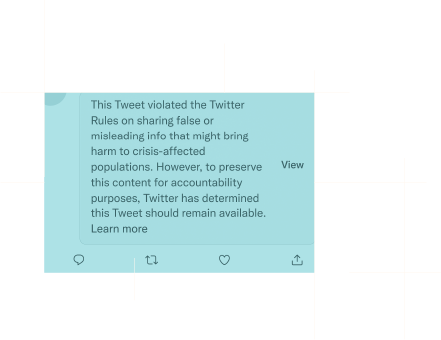
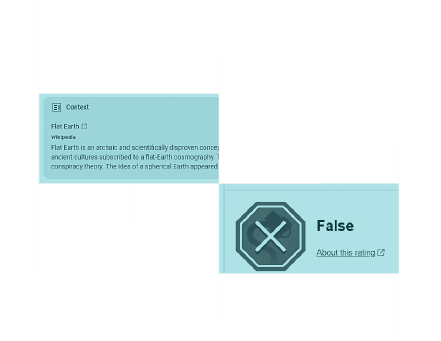
Striking back aims at the source of information after the information has been widely spread. By tagging and fact-checking misinformation and conspiracy theories, it undermines the credibility of the sources.
This method is widely used by social media platforms and news sites such as Politico and Snopes. X allows their users to add Community Notes to potentially misleading posts in hopes of creating a “better-informed world” and other users can vote on whether the explanation is valid and helpful.
Its impact, however, is limited as it does not reduce the reach and in fact, could increase exposure by boosting the public's interest in “controversial” content. Conspiracy believers do not necessarily believe in fact-checkers as they are viewed as an outgroup who are against their beliefs.
Immunization focuses on individuals before they encounter conspiracy theories by improving logical and analytic thinking. It targets the root cause of conspiracy theories by equipping the audience with cognitive, emotional, and motivational skills to resist the temptation of conspiracy theories.
Exposure to weak arguments of the conspiracy theory and the methods employed by conspiracy theorists in advance has the potential to improve the attitudinal immune system against potential threats in the future.
This method needs to be carefully managed to prevent the audience from being attracted to the conspiracy theory. It can also be used against us by conspiracy theorists if they choose this method to frame facts as misinformation.
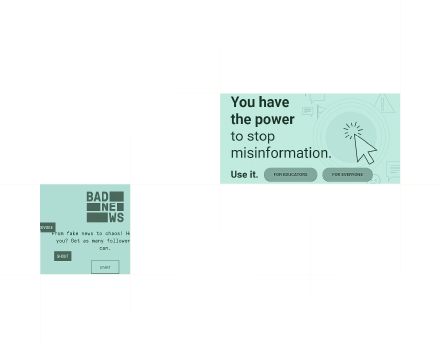
Healing seeks to minimize the damage done by targeting individuals who have already encountered these theories and sow seeds of doubt.
Debunking by focusing on the facts or asking a conspiracy believer to elaborate on their beliefs can facilitate additional thinking and help them realize the inconsistencies in their claims. It is also important for the debunker to acknowledge their mindset and values to gain more sympathy for a more successful conversation.
However, debunking and confronting believers is a difficult process as it requires the conspiracy believers to be willing to engage in conversations or listen to an individual or group outside of their community.
Families and friends without adequate support and knowledge in this area could potentially fumble their attempts, leading to broken relationships and reduced trust, driving individuals further into their conspiracy communities and impacting the mental health of family members and friends.

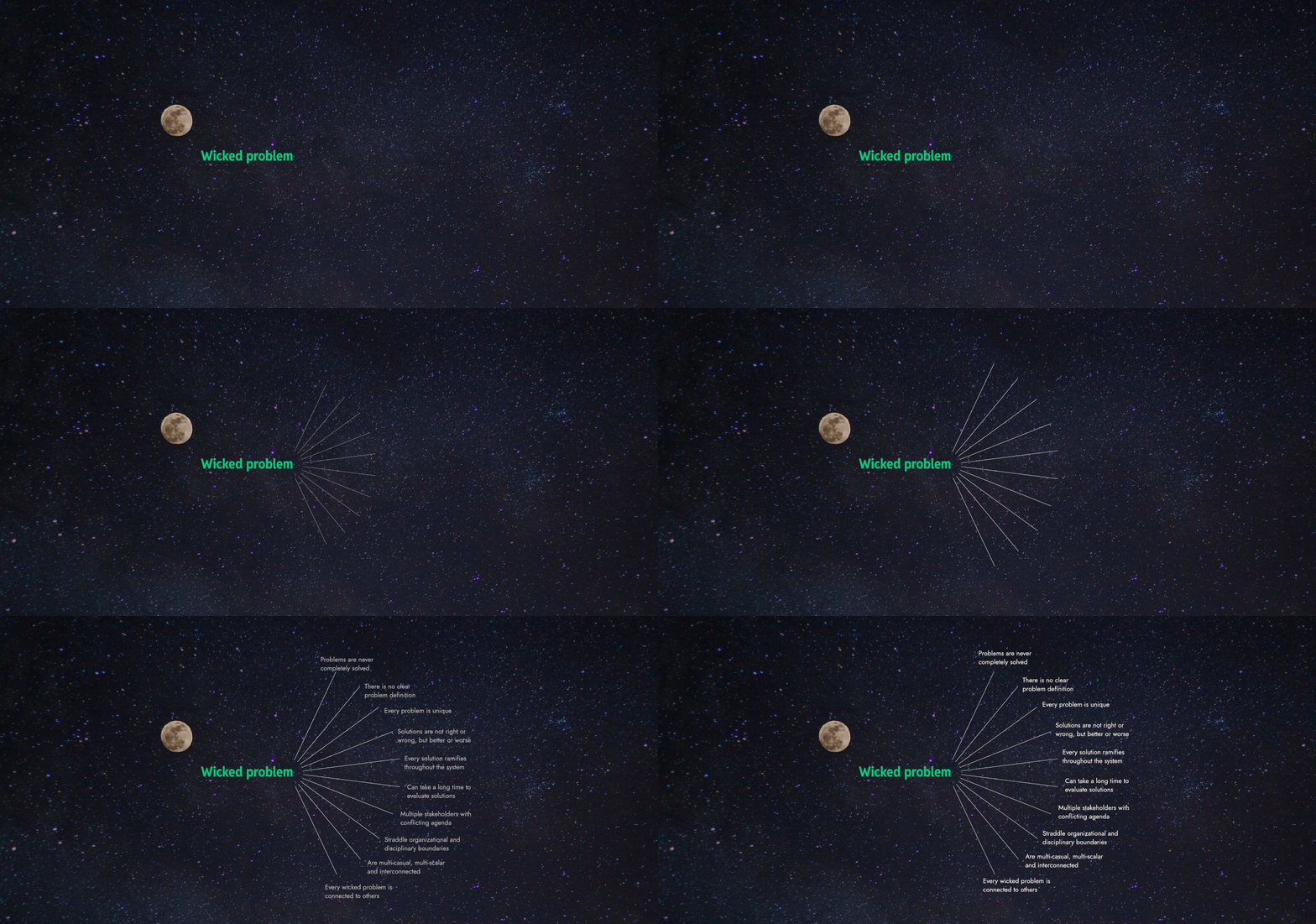
While the government, social media platforms, and news organizations are rolling out possible interventions to combat the problem of conspiracy theories and misinformation, this is unfortunately a complex and ever-evolving issue which do not have a single, immediate solution.
It can be viewed as a wicked problem, a problem that is difficult or impossible to solve because of incomplete, contradictory, and changing requirements that are often difficult to recognize. More research needs to be done for us to capture a more holistic picture of the situation and develop more effective interventions.