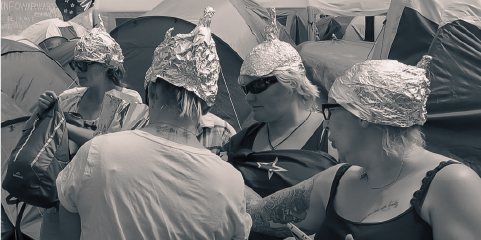
Why do people turn to conspiracy theories?

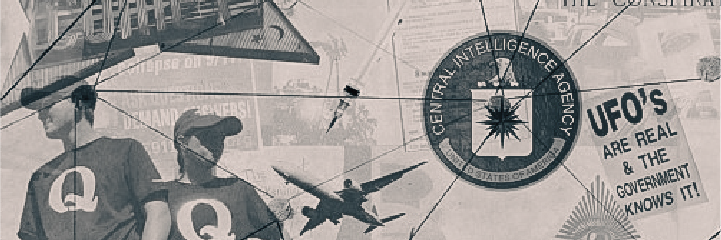
Conspiracy theories sound ridiculous and out of this world, but extreme fear and anxiety can cause some people to believe in them wholeheartedly.
Conspiracy theories sound ridiculous and out of this world, but extreme fear and anxiety can cause some people to believe in them wholeheartedly.
During a significant large-scale event, such as a global pandemic, mass tragedy, or election, where information is scarce initially, it provides gaps for citizens to speculate.
During such moments, people fear the uncertain future, unsure how it would impact their daily lives and their families, giving rise to the feeling of powerlessness and anxiousness.
Continuous news cycles and social media allow us to be constantly updated about the situation without learning anything significantly new. Witnessing the event unfold through our screens almost simultaneously, there is insufficient time to verify this information, resulting in conflicting information and misinformation.
This adds to the confusion, hopelessness, and at times loneliness.
To cope with their feelings during such difficult times, they need answers. They need to know why it is happening and who is responsible for them to regain a sense of control over their lives.
Mainstream media, unfortunately, do not have the answers (or satisfying answers) to their questions, but alternative media do.
Even if conspiracy theories are from less credible sources and seem out of the world at first glance, it does help to explain the unexplainable for some.
They regain their sense of clarity by knowing the real reasons behind these events and having someone to blame for them. They also find a community that understands their struggles in this chaotic world.
Not everyone turns to conspiracy theories for answers. Those higher on the conspiratorial predisposition scale are more cynical and more prone to believe in such theories that are perpetrated by their supposed enemies such as the government, scientists, and elites.
Meanwhile, those lower on the scale are more naïve and it will be harder to convince them of any conspiracy happening in the shadows. Most of us are in the middle, not naïve enough to believe everything that we see, but not cynical enough to believe everything has a hidden agenda.